
Why Anxiety Becomes a Habit and How to Rewire It


Why Habits Feel Automatic
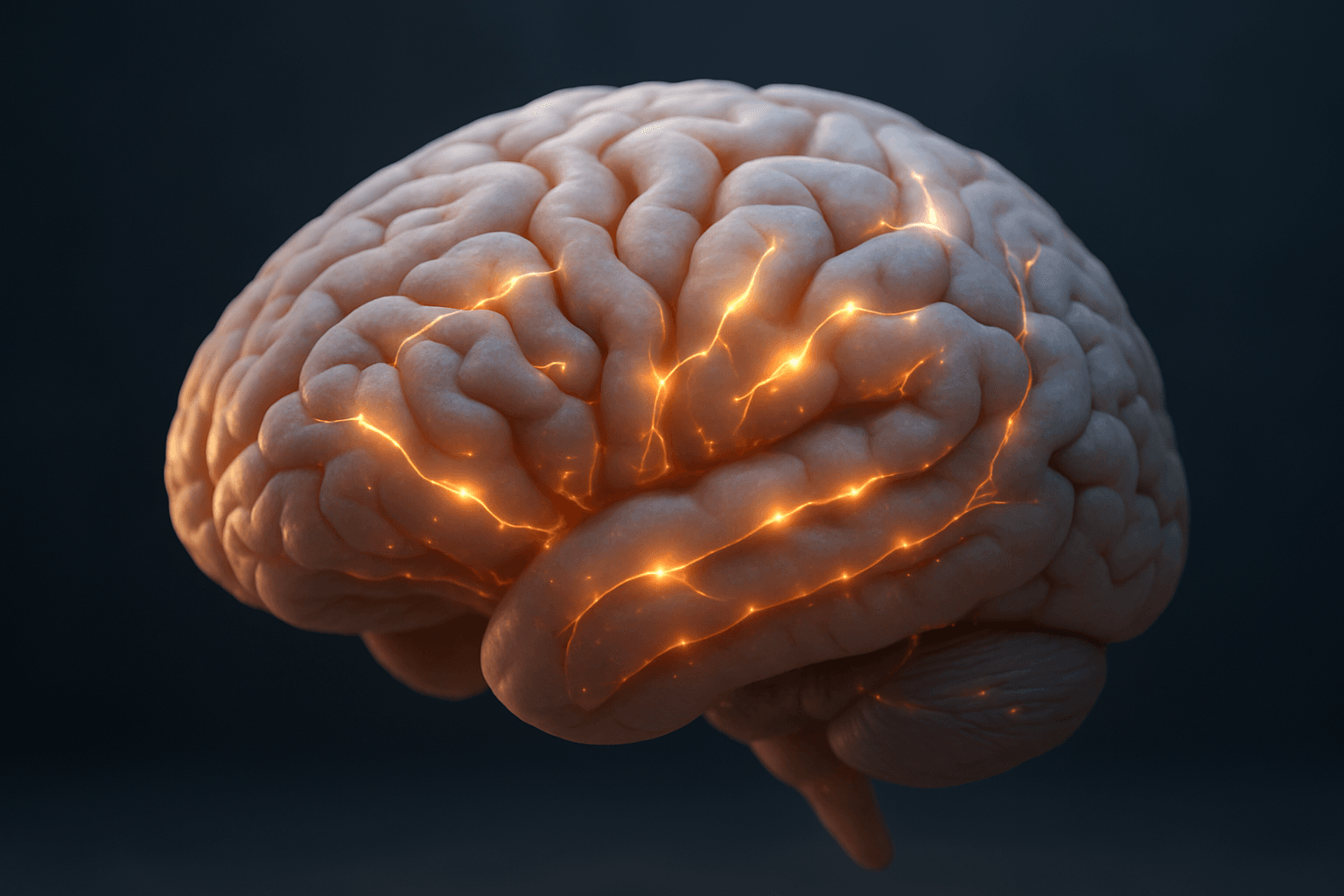
Most people think habits are about discipline. They believe their behaviour reflects willpower or weakness. It does not. Habits are built on speed, not character. The brain wants efficiency. It wants to reduce the energy cost of repeated behaviours. To achieve that, it uses myelination, a biological process that increases the speed of electrical signals along neural pathways.
Myelin is the insulation wrapped around neurons. When a pathway becomes myelinated, the signal travels faster and more smoothly. This means the behaviour feels natural and effortless. You no longer have to think. You act.
· This is why you can slip into worry before realising it has begun.
· This is why checking your phone can happen without any intention.
· This is why tension appears in your body the moment discomfort rises.
And this is why certain anxious reactions feel automatic.
They are not personality traits. They are fast circuits.
Your brain myelinates both helpful and harmful patterns. It does not judge. It does not filter. It responds to repetition and emotional intensity. If you repeatedly worry, avoid, overthink, check, or catastrophise, those loops become faster. They become easier to run than calm or grounded responses.
This is why anxious people rarely feel in control. They are not choosing anxiety. The anxious pathways fire before anything else can compete. The work is not to suppress these pathways through force. The work is to build new ones that eventually outrun the old ones.
Understanding this changes the entire conversation.
You realise anxiety is not a flaw. It is a speed issue.
How Anxiety Becomes a Loop.

Anxiety is not a single feeling. It is a sequence. A chain reaction that becomes stronger each time it fires. Once the sequence becomes familiar, your brain speeds it up. Eventually, it becomes the default response.
A typical loop contains five elements.
1. A trigger. Something ambiguous that the brain interprets as risky. An unread message. Silence. A physical sensation. A facial expression.
2. An interpretation. The mind predicts danger. Something is wrong. I have made a mistake. People are unhappy with me. This will go badly.
3. A behaviour. You try to reduce discomfort. You worry. You check. You avoid. You overprepare. You ask for reassurance.
4. Relief. Even if the relief is tiny, the brain records it.
5. Reinforcement. The brain concludes that the behaviour worked. Next time, it fires the pathway faster. You learn to run the loop without conscious involvement.
Each repetition strengthens the wiring.
Each moment of relief deepens the habit.
Emotional intensity accelerates everything.
Eventually, the loop becomes automatic.
This is how anxiety can feel like identity.
It is not identity. It is a well-rehearsed neural sequence.
When you understand anxiety as a loop, you gain a foothold. Loops can be interrupted. Loops can be slowed. Loops can be replaced. You do not remove anxiety all at once. You dismantle the loop by training new responses that compete with the old ones.
Why Intentions Lose to Wiring.

You can understand your patterns intellectually. You can explain your triggers. You can analyse your childhood. Insight matters, but insight does not slow down a fast neural circuit.
The brain always takes the quickest route available. If an anxious pathway fires rapidly and a new behaviour fires slowly, the old pathway will win every time.
This has nothing to do with character and everything to do with neurobiology.
This is why people feel frustrated when they know better but still repeat the same reactions. They are trying to use intention to override circuitry that was built through hundreds or thousands of repetitions. This is like trying to outrun a car.
Intention cannot compete with speed.
A new behaviour feels clumsy and unnatural because it is slow. It has not been myelinated. It has not been rehearsed. It does not yet have the neural resources behind it. This is why early attempts at change feel difficult.
You are competing with wiring, not willpower.
Your task is to train the new pathway until it becomes faster than the old one. That is how behavioural change becomes permanent.
You build a new circuit and repeat it until the brain invests in it.
This is what rewiring really means.
Childhood Learning and Early Neural Wiring.

Your early years shape the first templates for safety, threat, and emotional coping. The brain is highly plastic in childhood. It builds pathways rapidly because it needs to learn how the world works. Myelination happens quickly during this period, which means repeated emotional experiences become durable patterns.
Children learn safety from the adults around them. If the environment is steady, responsive, and predictable, the child’s nervous system learns that discomfort is temporary and survivable.
This slows the development of anxious pathways.
If the environment is inconsistent, unpredictable, tense, or emotionally confusing, the child’s brain learns to scan for threat. It learns that discomfort is dangerous. It learns that it must prepare for the next emotional shift.
This speeds up anxious pathways.
Children also learn through co-regulation. When a caregiver helps a child settle, the child’s nervous system learns the skill of returning to baseline. If a caregiver cannot provide this, the child learns to cope on their own. Coping alone often means worry, vigilance, or avoidance.
Those strategies become highly myelinated.
Early anxious habits often look small. A child rehearses possible outcomes. A child seeks reassurance. A child tries to avoid embarrassment or conflict. But repetition builds pathways.
These early behaviours become the foundation for adult anxiety.
None of this is destiny. It is simply the first draft of your wiring. The brain retains the ability to form and remodel pathways throughout life. You can build new patterns. You can weaken old ones. But understanding the role of early experiences helps you realise that your reactions are learned, not fixed.
That gives you room to change.
The key is to avoid repeating the childhood pattern of depending on external rituals for safety. Suppose you rely on a behaviour to calm you. In that case, you recreate the early dependency rather than building internal capacity. Real change requires learning to settle your system without strict routines.
The Danger of Habit Swapping.

When people start changing habits, the most common mistake is replacing an anxious behaviour with a healthier one that quickly becomes compulsory.
The surface looks different, but the structure remains the same.
· A person stops catastrophising at night but replaces it with a strict ritual that must be performed perfectly.
· A person stops checking their phone but replaces it with a breathing drill they cannot skip.
· A person stops avoiding conversations but replaces avoidance with over-preparing a script.
On the surface, these habits look positive. They offer a sense of control. They feel healthier. But if the behaviour becomes something you must use to feel safe, you have not built resilience.
You have traded one dependency for another.
The problem is not the habit. The problem is the belief underneath it.
I cannot cope unless I do this.
That is the belief that keeps anxiety alive.
Healthy habits are scaffolding. They support you while the new pathway forms. They are not meant to become permanent. Once the new pathway has enough strength, you remove the scaffold.
If you do not remove it, the brain never learns that you can cope without it.
This is why rigid routines are dangerous for anxious people. They feel comforting at first, but they eventually shrink your sense of capability. The more you rely on them, the smaller your world becomes.
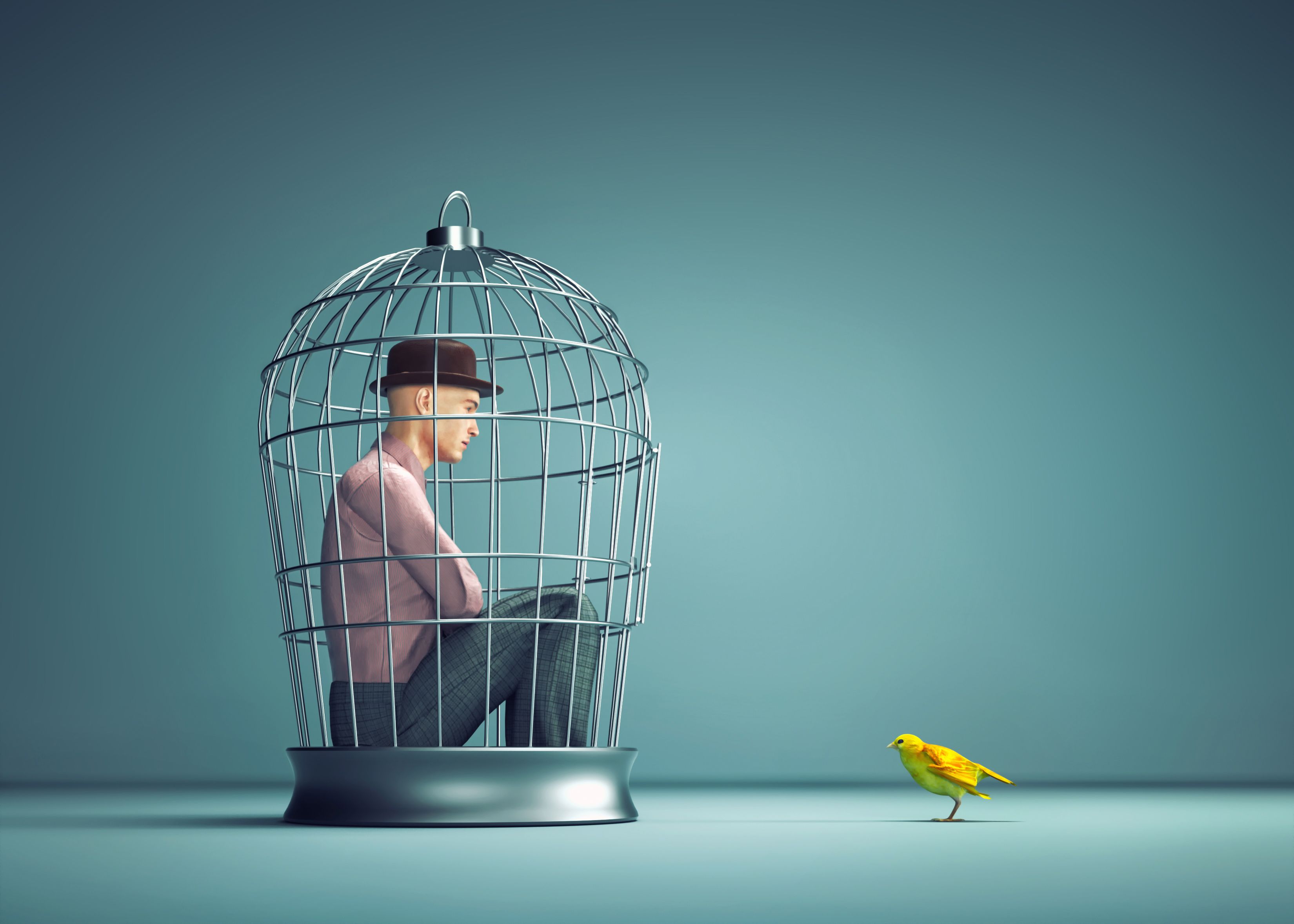
The goal is not to build a better cage.
The goal is to dismantle the need for cages altogether.
Why Relief Reinforces Habits.
Relief is one of the strongest teachers in the brain. The moment discomfort drops, the nervous system takes note. It does not care why the relief happened. It only cares that the discomfort eased.
When anxiety fires, you feel pressure to act. You avoid something. You check something. You seek reassurance. You overthink. You prepare. These behaviours quickly reduce discomfort, and the brain treats that drop as evidence that the original anxious signal was accurate.
· The relief reinforces the prediction.
· The brain does not learn that the behaviour helped.
· It learns that the anxiety was justified.
This is why anxious habits become so strong. It is not the behaviour itself that builds the pathway. It is the moment of relief that tells the brain to trust the original alarm.
Healthy habits can fall into the same trap. If you use a breathing drill or grounding exercise the moment anxiety rises, the ritual may settle your body, but the brain still believes the original alarm was necessary. The ritual prevented the update.
You feel better, but the pathway stays fast.
Relief is not the enemy. The problem is using relief to escape discomfort instead of teaching your brain that the discomfort was survivable without a ritual.
How to Build a Healthy Habit Without Creating a New Cage.
Healthy habits require structure but also flexibility. If you treat a new habit as a rule instead of a tool, you keep the old anxiety prediction alive.
You stop the brain from learning that you can cope without ritual.
A new habit should behave like scaffolding. It supports you while the new pathway forms, but it is not meant to stay forever. Once the new circuit has enough strength, you remove the scaffold.
Here is the process.
· Stabilise. Use the new behaviour consistently for a short period. This interrupts the old loop and slows the anxious pathway.
· Introduce variation. You break the routine on purpose. Some days you use the new behaviour. Some days you do not. This teaches the nervous system that calm is not linked to ritual.
· Taper. Gradually reduce how often you rely on the new behaviour. This gives the brain opportunities to operate without it. The update can only happen when the ritual is absent.
· Use it strategically. Once the new pathway is stable, the habit becomes a tool you choose when needed, not a requirement for safety.
If you cling to the habit instead of tapering it, the brain can never update the anxious prediction. It continues to believe the original alarm because you never allow yourself to experience discomfort without rescue.
Habits are temporary. Capacity is permanent.
Three Habit Patterns That Become Compulsions.

Some habits look healthy, but actually reinforce the anxious pathway. They stop the brain from updating the original alarm because they step in too quickly.
· Safety behaviours. These are actions used to remove discomfort instantly. They work because the anxiety is already fired. The moment you feel relief, the brain assumes the alarm was correct.
· Predictable rituals. These are routines you rely on to feel stable. They block the brain from learning that you can cope without them. The ritual becomes the source of safety instead of your own system.
· Avoidance disguised as growth. These behaviours look like progress, but they help you avoid something important. Meditation instead of a difficult conversation. Journaling instead of making a decision. Planning instead of acting. The anxious signal fires, you avoid, you feel better, and the brain learns to trust the alarm.
These patterns keep the old pathways fast. They look helpful, but they prevent the nervous system from correcting the original fear prediction.
The Right Way to Rewire the Brain.
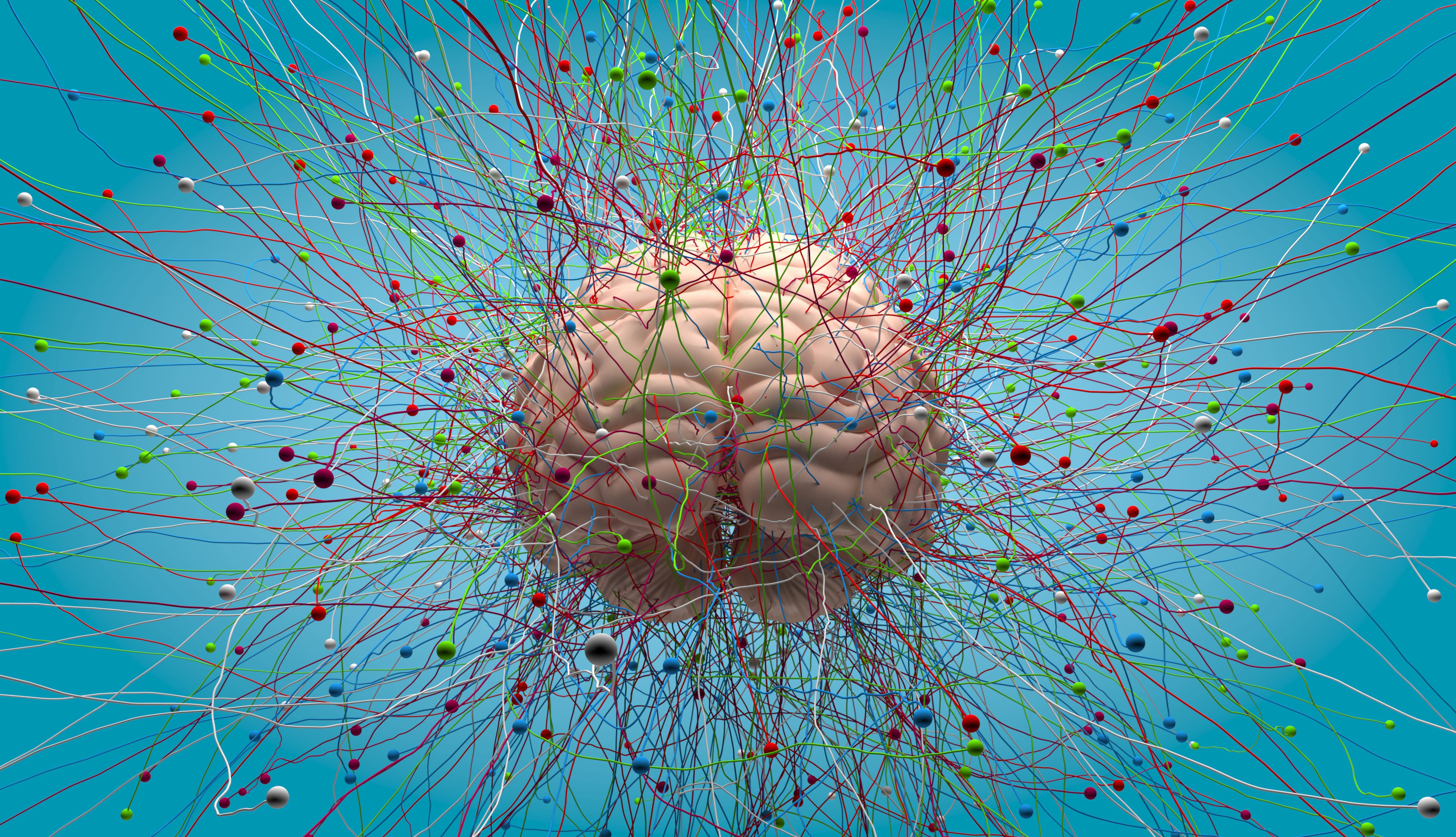
Rewiring requires behaviour. Insight helps you understand what is happening, but only behaviour tells the brain what is safe and what is not.
Circuits change through repeated action.
When you repeat a behaviour, the synapses involved become more efficient. The signal moves more smoothly. Myelin increases. The pathway gains speed.
This is how habits become automatic.
When you stop using a pathway, the process reverses. The brain begins to withdraw support. The synapses weaken. The myelin gradually reduces.
The signal slows, and the pathway becomes less dominant.
But this weakening does not happen if anxiety pushes you into avoidance. By the time you avoid something, the anxious circuit has already fired. The relief that follows teaches the brain to trust that alarm even more.
Avoidance reinforces the fear prediction.
Avoidance does not weaken the pathway.
It stabilises it.
To update a fear pathway, the brain needs you to experience the trigger without escaping it. This is how the nervous system learns that the alarm was unnecessary.
When the brain sees that nothing bad happens, the pathway begins to weaken.
New behaviour must be repeated often enough for the brain to invest in it. The old behaviour must be reduced often enough for the brain to disinvest from it. That is the balance.
Consistency builds the new wiring.
Absence weakens the old wiring.
There is no mystery. It is biology.
The challenge is to practise the new behaviour without depending on it. Dependency blocks the update. You must weaken the old behaviour without replacing it with a rigid ritual.
Ritual blocks the update as well.
Real change comes from repeated practice and repeated permission to tolerate discomfort.
This is what produces lasting rewiring.
A Practical Example:
Nighttime catastrophising is common because silence gives the anxious system space to fire. Thoughts accelerate. Scenarios unfold. The body tenses. The loop speeds up.
A person introduces a breathing drill to interrupt the loop. At first, it helps. The breathing slows the system enough to stop the spiral. But if the breathing drill becomes a nightly requirement, the brain still believes the silence is unsafe.
The ritual interrupts the loop, but it stops the brain from learning anything new.
· The catastrophising pathway fired first.
· The ritual stepped in too early.
· The brain never corrected the prediction.
Here is the correct path:
1. Stage one. Stabilise with the new behaviour for a short time. This interrupts the loop, giving the system breathing room.
2. Stage two. Randomise. Use the behaviour on some nights and skip it on others. This teaches the brain that calm does not depend on the ritual, and it gives the nervous system chances to learn that silence is not dangerous.
3. Stage three. Taper. Use the behaviour only if the old loop spikes sharply. This provides support but avoids dependency.
4. Stage four. Retire. Keep the behaviour in your toolkit, but allow your brain to handle silence without rescue.
This approach allows the anxious prediction to update. The brain sees that nothing bad happens when the ritual is absent. The pathway weakens naturally.
Emotional Tolerance and Why It Weakens Anxious Pathways.

Emotional tolerance is the ability to feel discomfort without retreating from it. This is essential for rewiring because anxious pathways cannot weaken until the brain experiences a trigger without escape.
When anxiety rises, the body urges action. It urges avoidance or ritual. But if you stay with the discomfort long enough, the nervous system processes the experience.
The brain notices that you remain intact. Nothing catastrophic happens. The internal alarm loses credibility.
This is how emotional tolerance updates the fear pathway.
· It teaches the brain that the original alarm was exaggerated or unnecessary.
· It reduces reliance on rituals.
· It increases internal stability.
· It strengthens your sense of control.
Avoidance teaches the opposite.
· Avoidance confirms the alarm.
· Avoidance prevents the update.
· Avoidance keeps the pathway fast.
Healthy habits can support emotional tolerance, but they must not replace it. Suppose a habit always steps in to rescue you from discomfort. In that case, the brain never receives the evidence it needs to weaken the pathway.
Tolerance is uncomfortable, but it is the core ingredient of change. Once you build it, habits become optional tools rather than conditions for safety.
The End Goal: Flexibility Over Ritual.

The purpose of habit change is not to build a flawless routine. It is to create a nervous system that can cope with uncertainty without depending on behaviour. It is to create flexibility, not ritual.
When the brain rewires properly, several shifts occur.
· Calm becomes something you can access without preparation.
· Safety becomes internal rather than conditional.
· Discomfort becomes something you can manage rather than something you must escape.
· Your behaviour becomes chosen rather than triggered.
Rituals can help you begin, but they must not become the structure you live inside. They restrict choice. They block updates. They keep the nervous system dependent.
Flexibility signals true change. It shows that the anxiety pathway has lost dominance and the new pathway has taken its place. It shows that you have learned to tolerate discomfort without escape. It shows that you no longer require ritual for stability.
This is the point of rewiring. Not a perfect habit routine. A stronger mind and a more adaptable nervous system.
The Core Message.

You are not at the mercy of this.
Anxiety feels dominant because the pathway is fast, not because it is stronger than you.
· You can slow it.
· You can replace it.
· You can retrain your system to respond instead of react.
Every small interruption, every moment you hold your ground, every decision to stay present rather than run, teaches your brain a new rule. This is how you take back control, not through perfection, but through steady, repeated acts of courage.
You are building a mind that no longer folds under pressure. A mind that knows how to steady itself. A mind that does not need ritual to stay upright.
That is real change. And it is entirely within your reach.
About the Author
Written by Steve Jones, Genesis Therapy, a coach specialising in stress resilience and brain-based strategies. Helping people from all walks of life rewire overthinking, manage anxiety, and build the confidence to handle everyday pressure with strength and calm.