
Why Your Mind Won’t Shut Up: Inside the Science of Thinking
GT
Introduction: What Is a Thought, Really?

At any given moment, your mind is running commentary on everything. It critiques your to-do list, rewrites old conversations, imagines worst-case scenarios, and sometimes bursts into random song. You are never alone, because your brain refuses to shut up.
But what exactly is a thought? People talk about "thinking" as if it were a tidy process, yet neuroscientifically, it is anything but. Thoughts are not neat sentences stored somewhere behind the eyes. They are fleeting patterns of activity, electrical storms that flash across billions of interconnected neurons before dissolving back into the background noise.
If memory is the scrapbook of the mind, thought is the commentary written in the margins. It interprets, predicts, and questions. It is how the brain turns perception into understanding, but also how it turns understanding into anxiety. The same circuitry that enables us to envision a better future also allows us to imagine disaster.
From an evolutionary perspective, constant thinking is beneficial. A mind that keeps anticipating and planning is more likely to survive than one that relaxes and hopes for the best. Unfortunately, modern life gives us too much to think about and too little to act on, so the mental engine keeps revving in neutral. You might describe it as "having a smoke alarm that goes off every time you make toast."
Thinking, then, is not one process but a cluster of them: perception, attention, memory, and emotion all feeding into a continuous mental stream. And as with most brain functions, it is less precise than a machine and more of a noisy committee.
How Thoughts Form in the Brain.
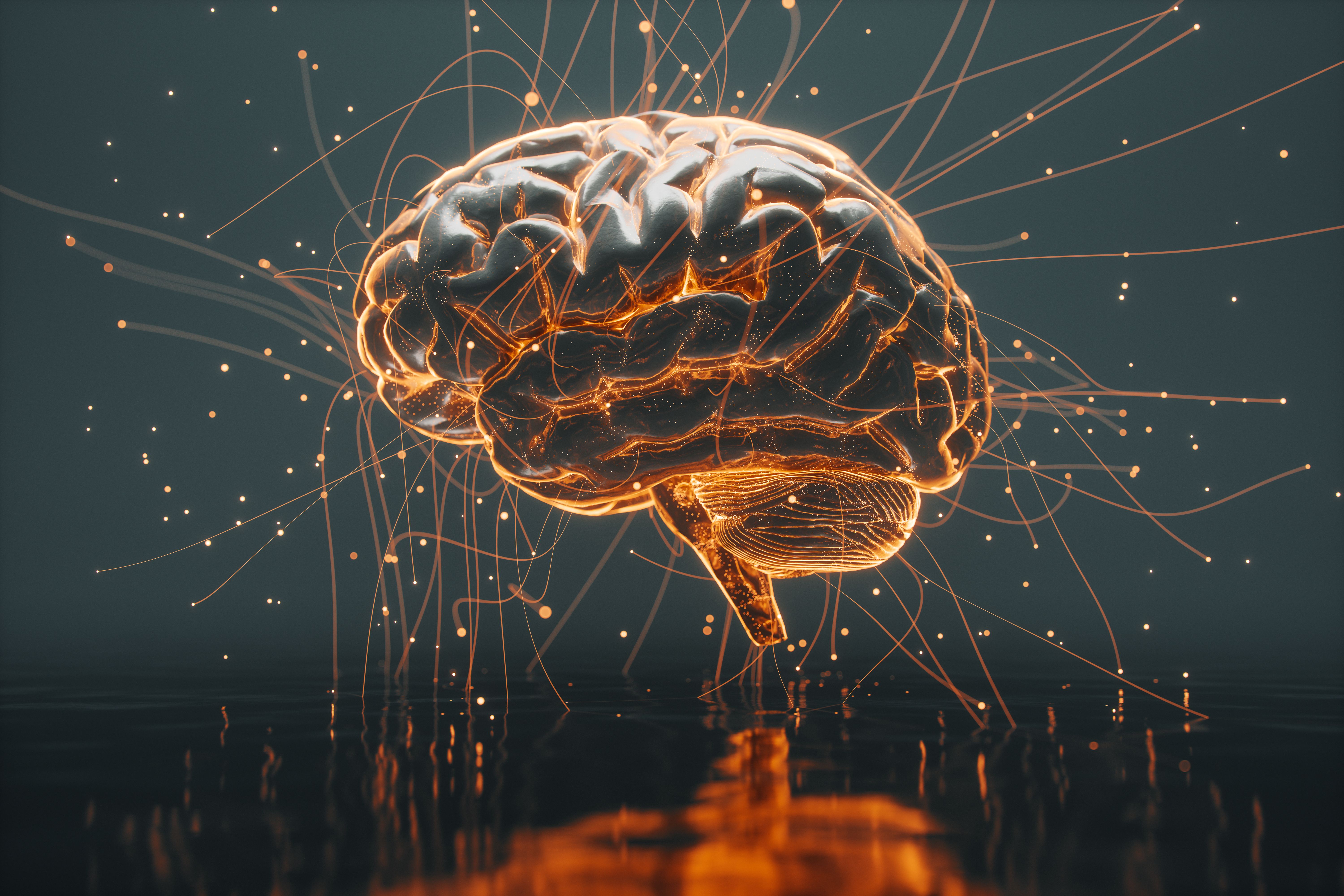
If you could listen in on your neurons, you would hear a storm of electrical chatter. The average brain contains approximately 86 billion neurons, which communicate through rapid signals called action potentials. Thoughts are not stored in any one place. They emerge from patterns of activity spread across large networks.
At the centre of this mental orchestra is the prefrontal cortex, responsible for planning, problem-solving, and decision-making. It works with the association cortices that link sensory inputs to meaning. When you think about a cat, for example, different regions light up at once: visual areas for its shape, auditory areas for the sound of purring, and emotional areas for how you feel about cats. The "thought" of a cat is the sum of all these activations happening together.
Modern neuroscience also emphasises the significance of the default mode network (DMN), a set of brain regions that become active when you are not engaged in a specific task. It is responsible for spontaneous thought, mind-wandering, and self-reflection. In essence, your brain's idle state is anything but idle.
Thoughts form when networks synchronise briefly, like musicians improvising a tune before drifting apart again. They are dynamic, transient, and context-driven. The brain is less a factory of ideas and more a constantly shifting jam session. You might say it's like "an office brainstorming session where everyone's talking at once and somehow it still works."
Conscious and Unconscious Thought.
Most of what the brain does remains unconscious. Conscious thought is only a tiny fraction of the total cognitive process, the tip of an enormous iceberg of unconscious activity. The majority of thinking happens behind the scenes, quietly shaping perception, reaction, and intuition before you even notice.
Psychologist Daniel Kahneman famously distinguished between System 1 and System 2 thinking. System 1 is fast, automatic, and emotional; System 2 is slow, deliberate, and logical. The first enables you to navigate daily life efficiently. In contrast, the second takes over for tasks that require problem-solving or reasoning. The two systems cooperate but often clash, which explains why we can make impulsive decisions and then invent rational excuses afterwards.
Neuroscientific studies suggest that the brain often makes decisions before the conscious mind is aware of them. When you reach for a biscuit, the motor areas activate milliseconds before you become aware of wanting one. Conscious thought appears more like a narrator than a commander, explaining what the body has already started doing.
This doesn't mean free will is an illusion, but it does mean that thought is partly a story your brain tells itself to stay coherent. You might phrase it as, "We're not in charge of our brains so much as we're along for the ride, occasionally allowed to hold the steering wheel."
The Chemical Side of Thinking.
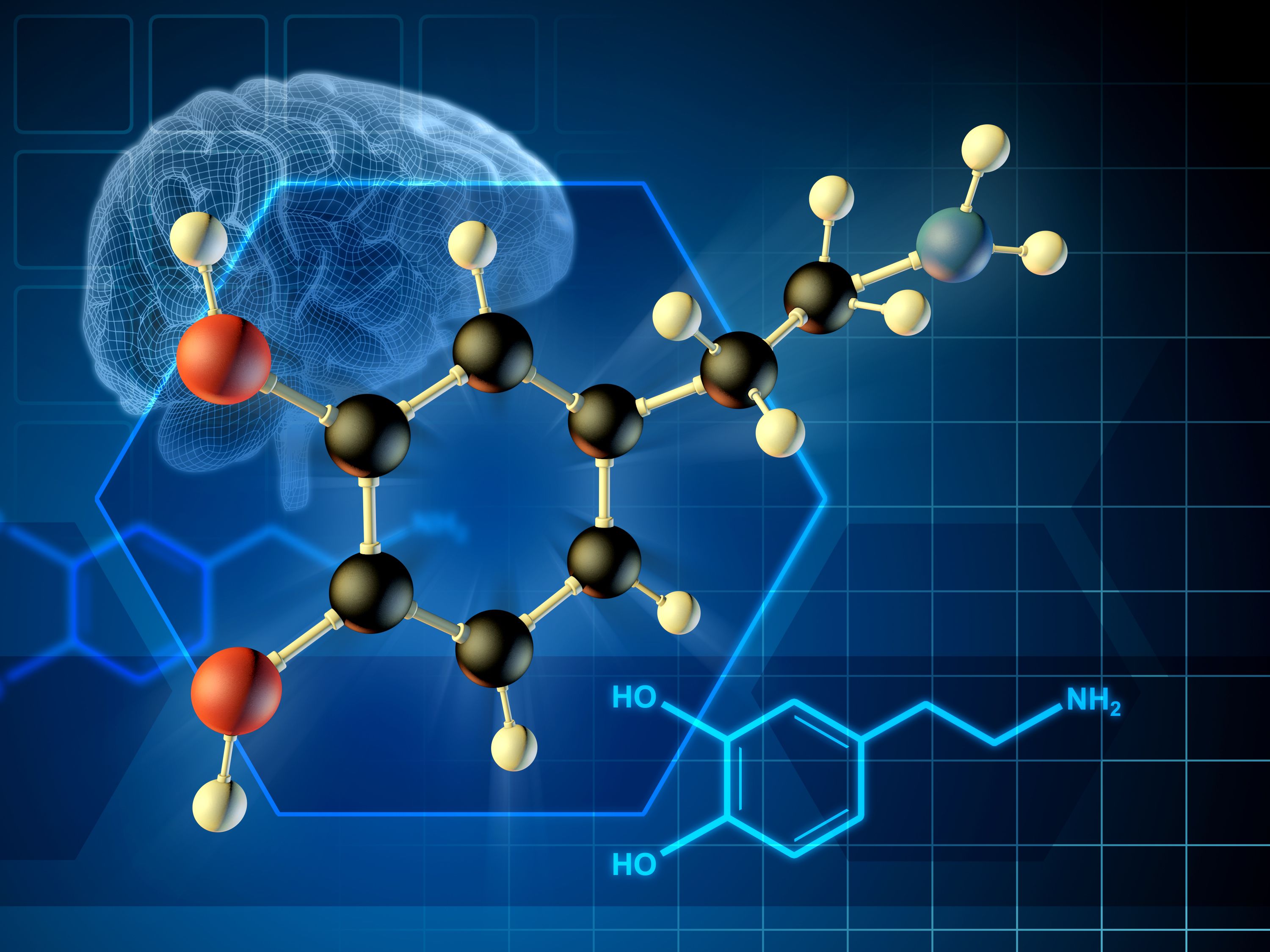
Thought feels abstract, yet it depends entirely on chemistry. Each flash of insight, each passing worry, relies on the movement of ions and neurotransmitters within a delicate electrical field.
Glutamate acts as the primary excitatory signal, driving neuronal firing across cortical networks. Without it, the mental orchestra would fall silent. GABA, its inhibitory counterpart, prevents overload, keeping your thoughts coherent rather than chaotic. The balance between the two determines whether your inner monologue feels calm or manic.
Dopamine shapes the motivational tone of thinking. It rewards curiosity, fuels focus, and gives thoughts emotional weight. Too little, and the mind drifts; too much, and thoughts race uncontrollably, as seen in manic states. Serotonin helps regulate this rhythm, influencing patience, perspective, and contentment.
Even subtle shifts in chemistry change the texture of thought. Lack of sleep reduces glucose and oxygen in the prefrontal cortex, making reasoning sluggish. Hunger increases irritability through low serotonin and high ghrelin. Stress floods the system with cortisol, which sharpens short-term reaction but undermines creative reflection.
You might describe the brain's chemistry as "the world's most complicated cocktail recipe, constantly mixed by an unqualified bartender." Every thought, from profound to ridiculous, is served up by that shaky hand.
Emotion and Thought: Frenemies in the Brain.

If you have ever tried to think clearly while angry, you already know that emotions and reasoning are uneasy allies. The rational and the emotional are not separate systems at war but parts of the same network, forever negotiating who gets to speak first.
The limbic system, including the amygdala, is responsible for emotional salience and processing. It works closely with the prefrontal cortex, which is responsible for reasoning, planning, and decision-making. When emotions run high, the amygdala fires more intensely and can temporarily take control of the prefrontal cortex. This explains why, in the middle of an argument, you might say something regrettable and later claim, quite truthfully, "I wasn't thinking."
From an evolutionary perspective, this makes perfect sense. Emotional shortcuts were vital for survival. Fear of snakes or disgust at spoiled food had to override slow analysis. Logical reflection came later. As you might note, "No species ever survived by calmly debating whether that rustling sound was a predator."
Yet emotions are not the enemy of thought. They guide attention and prioritise decisions. People with damage to the emotional regions of the brain often struggle to make even simple choices because everything feels equally neutral. Feeling gives thought its compass. The problem arises only when that compass spins wildly.
Thought Loops, Overthinking, and the Default Mode Network.
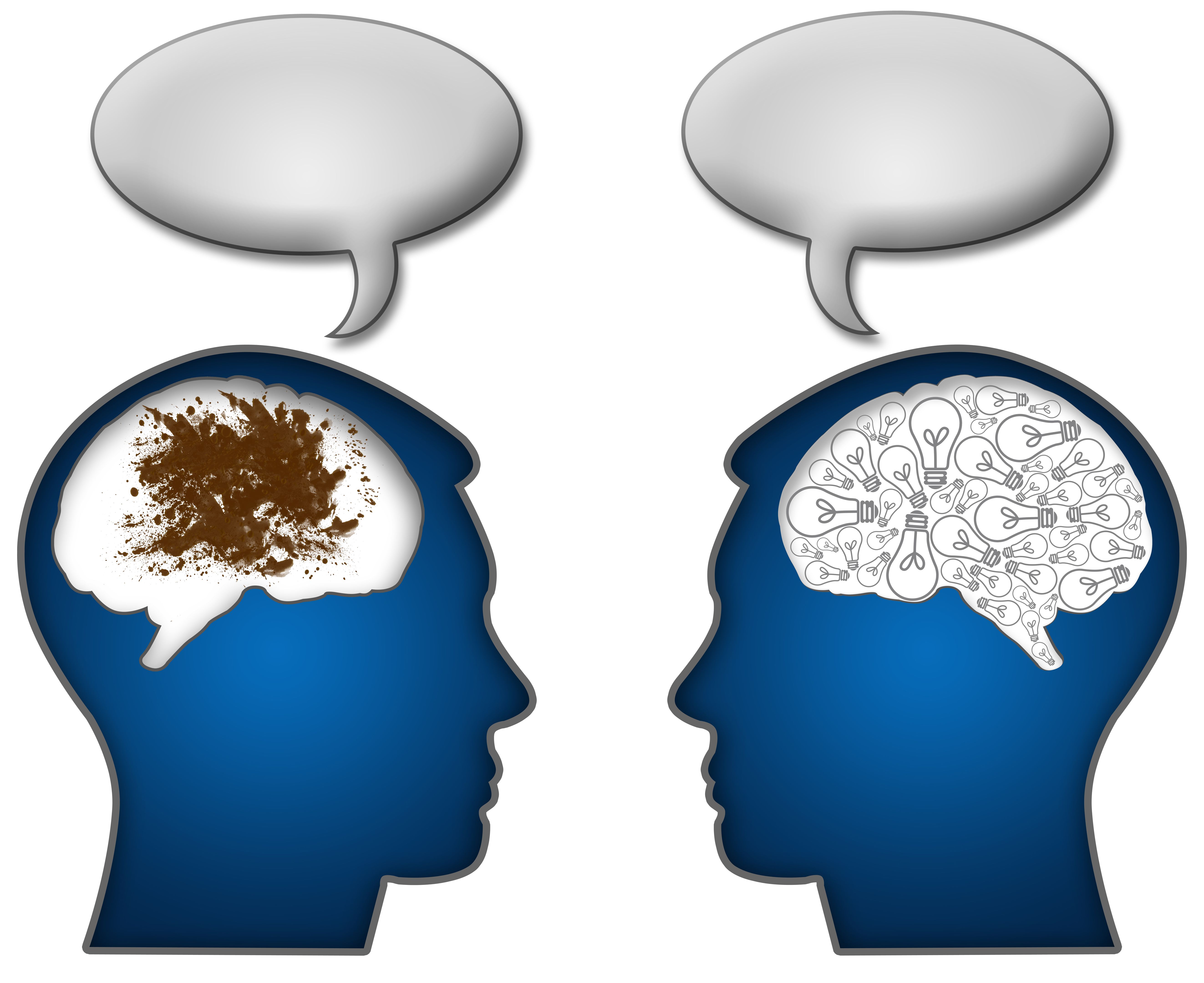
Left to itself, the mind rarely rests. Even when you are doing nothing, the default mode network (DMN) hums in the background, producing a steady stream of spontaneous thought. This network links the medial prefrontal cortex, posterior cingulate cortex, and parts of the parietal lobe. It activates during daydreaming, self-reflection, and mind-wandering.
In moderation, this internal chatter is beneficial. It allows the brain to simulate possibilities, plan for the future, and consolidate memories. Many creative insights emerge when the DMN is active, which is why ideas arrive in the shower or during a walk. The problem starts when this natural wandering turns into rumination, looping through the same worries without resolution.
Overthinking drains cognitive resources. Studies using brain imaging show excessive DMN activity in anxiety and depression, suggesting that constant self-focus traps the brain in a negative feedback cycle. You might compare it to "a radio that keeps replaying the same awful song, and you've lost the off switch."
Mindfulness and physical activity help quieten this loop by shifting activity toward task-positive networks, which focus attention outward. The mind's background noise never disappears, but it can be tuned down to a manageable volume.
The Social Nature of Thought.
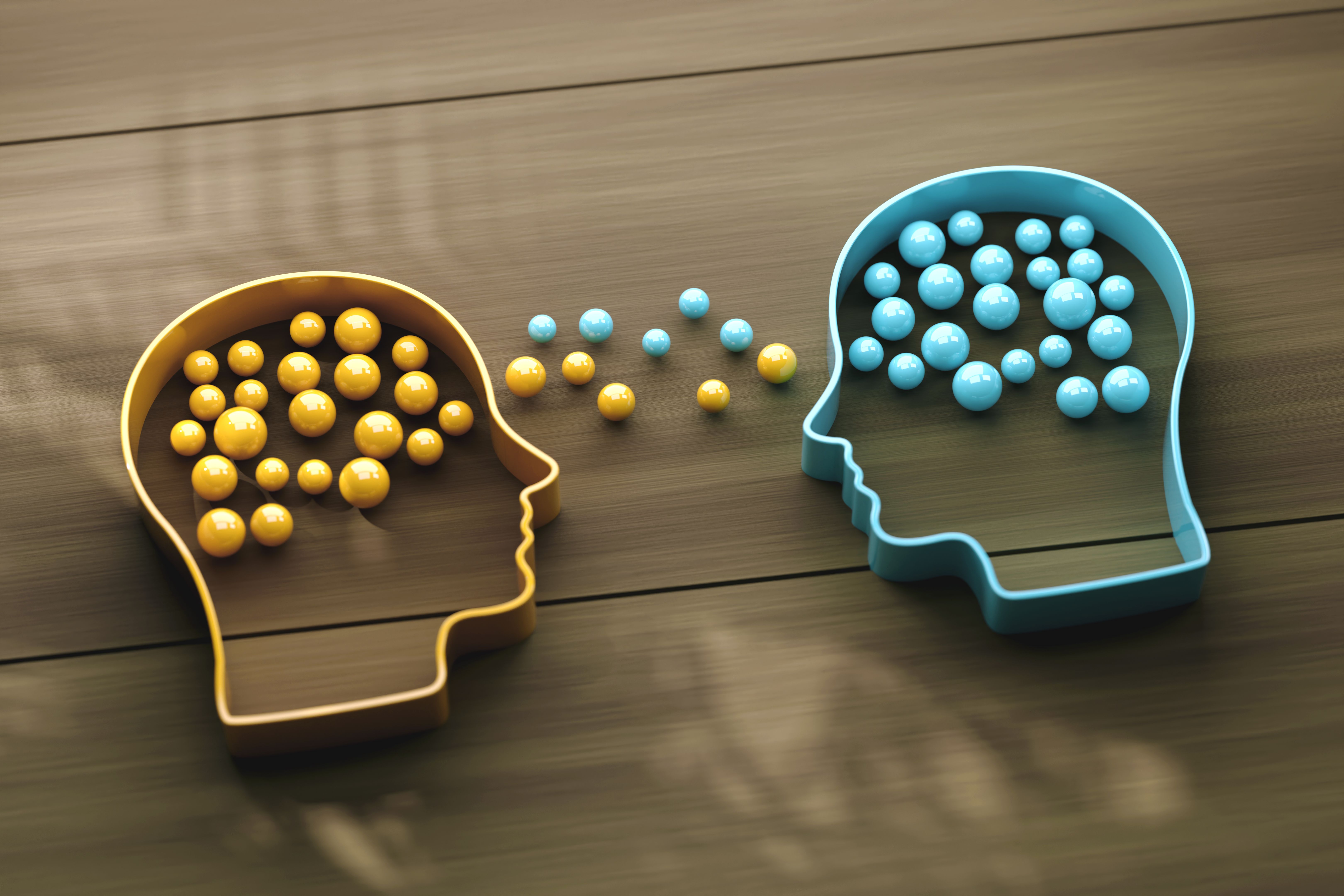
Thinking might feel personal, but it is deeply social. Language, conversation, and culture shape our thoughts and perceptions. Much of our internal dialogue is modelled on imagined interactions with others. The brain evolved not only to survive but to communicate.
Neuroscience refers to this as the theory of mind, which is the ability to imagine what others are thinking and feeling. This capacity relies on the prefrontal cortex, temporal poles, and superior temporal sulcus. It allows empathy, prediction, and humour. Without it, social life would be almost impossible.
We also use internalised speech to simulate dialogue. When you replay an argument or rehearse what you will say in a meeting, your language areas light up, much like they do during an actual conversation. In effect, we communicate with ourselves using the same neural systems we use to communicate with others.
You might summarise it neatly: "Half our thoughts are rehearsals for arguments that never happen." This social scaffolding helps shape memory, reasoning, and creativity. We are not isolated thinkers but participants in an ongoing conversation that happens both inside and outside the skull.
Thinking, Memory, and Imagination.
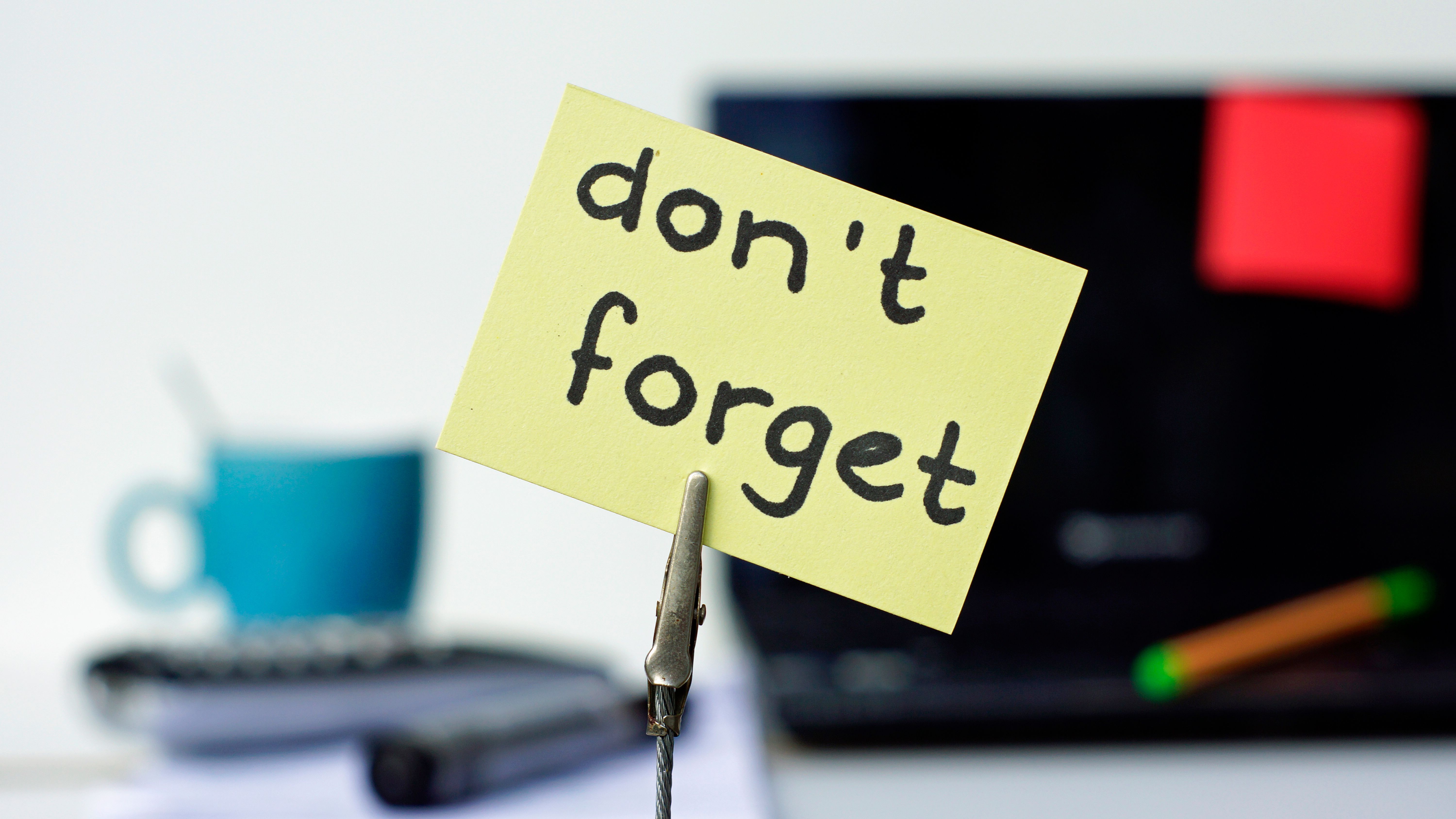
Thought and memory are inseparable. The brain uses the same systems to recall the past and imagine the future. Both depend heavily on the hippocampus and the default mode network. When you picture what might happen tomorrow, you are reassembling fragments of stored experience to construct a possible scenario.
This overlap explains why memory is not a perfect record but a flexible simulation. It allows creativity and planning, but also introduces distortion. Each time we imagine the future, we borrow from the past. The same process that helps an engineer design a bridge also lets a worrier invent disasters that never occur.
Imagination is essentially predictive memory. It helps the brain rehearse actions before performing them, saving time and energy. When athletes visualise a race or musicians mentally practise, their motor and sensory cortices activate almost as if they were moving for real. The brain prepares, predicts, and adjusts through mental rehearsal.
You might describe imagination as "the brain's unofficial side project: using yesterday's memories to worry about tomorrow's mistakes." It is messy, creative, and entirely human. Without it, there would be no storytelling, invention, or humour—and no way to plan anything beyond the present moment.
The Limits of Rational Thinking.
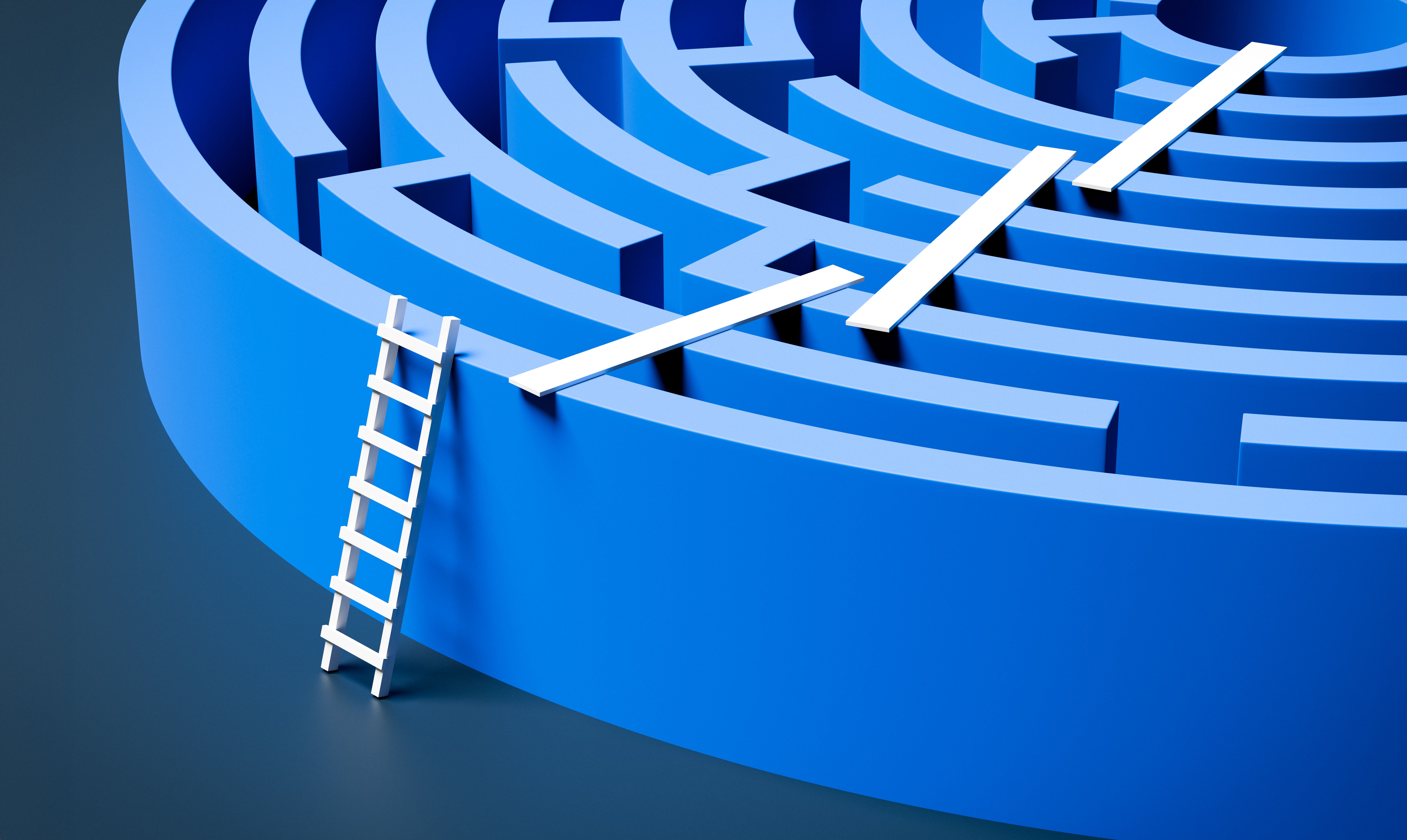
Humans love to believe they are rational, but neuroscience suggests otherwise. Logical thought exists, but it is slow, energy-hungry, and easily distracted. Most of the time, the brain relies on shortcuts called heuristics, which save effort but invite error.
Cognitive biases arise from these shortcuts. Confirmation bias causes us to notice evidence that supports our beliefs and overlook evidence that contradicts them. Anchoring bias causes us to rely too heavily on the first piece of information we receive. Availability bias tricks us into thinking that whatever comes easily to mind must be common or important.
These tendencies are not flaws but survival mechanisms. Analysing every decision from first principles would take too long. The brain evolved to make "good enough" judgments under pressure. Logic is reserved for special occasions, like building bridges or explaining why you bought another pair of shoes.
You can put it like this: "The human brain is not a scientist. It is more like a gossip who occasionally reads a journal article." Our thoughts are shaped more by habit, emotion, and social context than by pure reason. Rationality is an option, not the default setting.
Thought Disorders and When Thinking Goes Rogue.
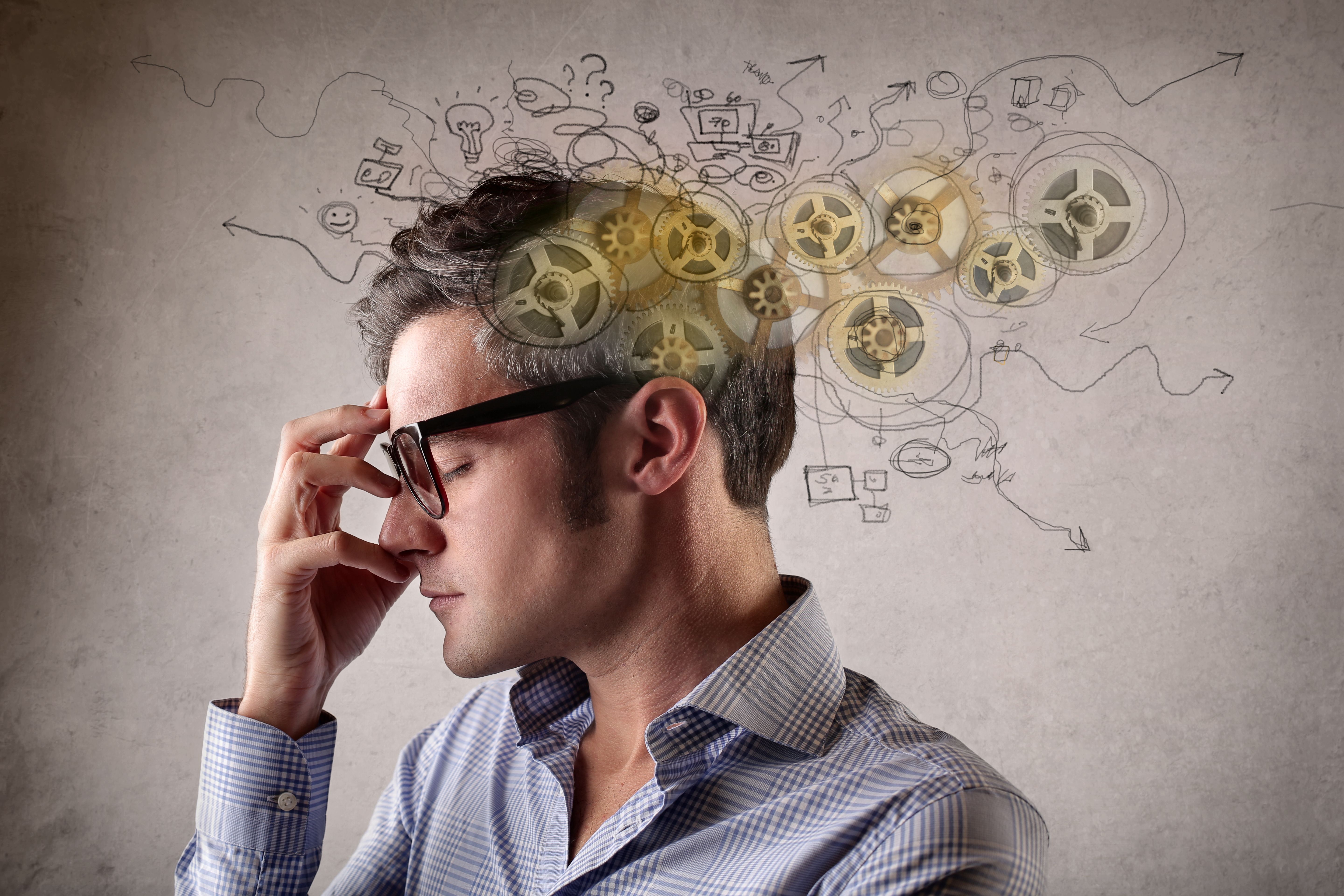
Thought, when healthy, flows smoothly between ideas. When the system falters, that flow can become chaotic, repetitive, or distorted. These disruptions reveal how fragile thinking really is.
Intrusive thoughts, common in anxiety and obsessive-compulsive disorder, show what happens when the brain's threat circuits overfire. Harmless ideas become sticky, looping back despite attempts to ignore them. They are distressing precisely because they clash with a person's values.
In psychotic disorders such as schizophrenia, the boundaries between internal and external thought can blur. Voices or ideas that originate inside the brain may be misattributed to outside sources. This occurs when communication between the prefrontal cortex and sensory areas breaks down.
Even milder disturbances, like rumination or catastrophic thinking, follow similar neural patterns. The default mode network dominates, leading to repetitive, self-focused behaviour. You might say that "the mind has a habit of turning up the volume on its own nonsense until it starts to believe it."
Understanding these processes does not trivialise them. It reminds us that thinking is a biological function, not a personal failing. When it misfires, compassion and treatment can restore balance just as physiotherapy restores movement to an injured limb.
Technology, Attention, and the Modern Thinker.

The modern mind is under siege. Never before have humans faced such an onslaught of information, pings, alerts, and headlines. The brain, evolved for focus and survival, now juggles constant novelty.
Each notification triggers a small burst of dopamine, rewarding attention shifts. Over time, this trains the prefrontal cortex to expect interruption. The result is fragmented attention, making it increasingly difficult to engage in deep thought. We skim, scroll, and click, but seldom take the time to reflect.
Studies show that heavy multitasking reduces working memory capacity and slows cognitive recovery. The mind stays in a state of partial engagement, like a computer with too many tabs open. Even short breaks in concentration can double the time needed to return to deep work.
You might note that "we have built a world designed to sabotage its own ability to think." Technology is not inherently harmful, but constant stimulation prevents the neural downshifts needed for reflection. The same devices that expand our access to knowledge also erode the patience required to understand it.
Training the Thinking Brain.
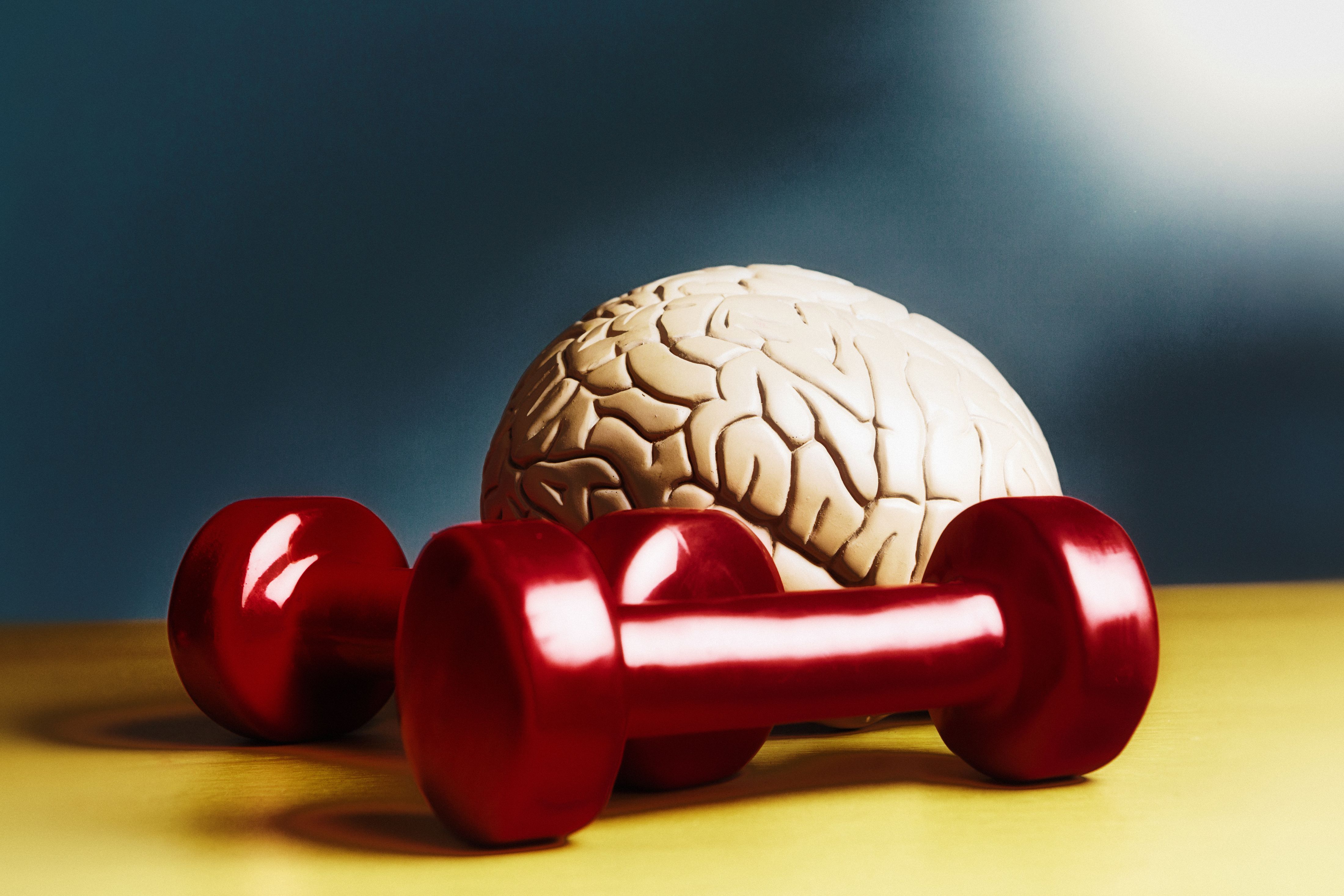
Fortunately, thinking can be trained. Neuroscience confirms that the adult brain remains plastic, capable of rewiring itself through practice and environmental influences. The key is not to suppress thoughts but to guide them.
Metacognition, or thinking about thinking, helps create distance from automatic reactions. Simply noticing a thought without acting on it activates the prefrontal cortex and reduces emotional reactivity. Mindfulness and cognitive behavioural techniques use this principle to calm rumination and clarify reasoning.
Physical exercise enhances blood flow, oxygen, and neurochemicals such as BDNF, Brain-Derived Neurotrophic Factor, a protein that is crucial for the survival, growth, and function of nerve cells (neurons). thereby improving cognitive flexibility. Sleep consolidates learning, while novelty stimulates creativity. Even varied social interaction broadens thought patterns by exposing the brain to different perspectives.
Healthy thinking is not about constant positivity. It is about the balance between focus and freedom, logic and imagination. You might say, "The goal is not to stop thinking but to stop your thoughts from running the place unsupervised." The mind remains a noisy house, but with training, you can at least choose which rooms to tidy.
Creativity: When Thoughts Collide.

Every now and then, thinking turns into something extraordinary. A new idea appears out of nowhere, elegant and complete, as if the brain has been working behind the scenes and suddenly decided to share. This is the mystery of creativity, when separate thoughts collide to form something new.
Creativity depends on the brain's ability to combine distant concepts. It draws on the default mode network for free association and the executive control network for focus. These systems alternate rhythmically, allowing daydreaming to generate ideas and focused thought to refine them. The right conditions often involve relaxed attention rather than intense concentration.
That is why great ideas appear while walking, showering, or staring out of windows. When the prefrontal cortex loosens its grip, remote neural connections can interact more freely. Once an insight forms, attention networks reactivate to capture and test it.
Neuroscientists refer to this process as incubation and illumination. You might call it "your brain finally getting around to finishing a thought you started three days ago." The so-called 'aha moment' is less a divine inspiration and more a shift in network dynamics.
Creativity also thrives on constraint. Total freedom overwhelms the brain, while gentle limits encourage problem-solving. Even boredom plays a role by forcing the mind to generate its own stimulation. The restless chatter that frustrates us most of the time is, in the right context, the source of innovation.
The Future of Thought.
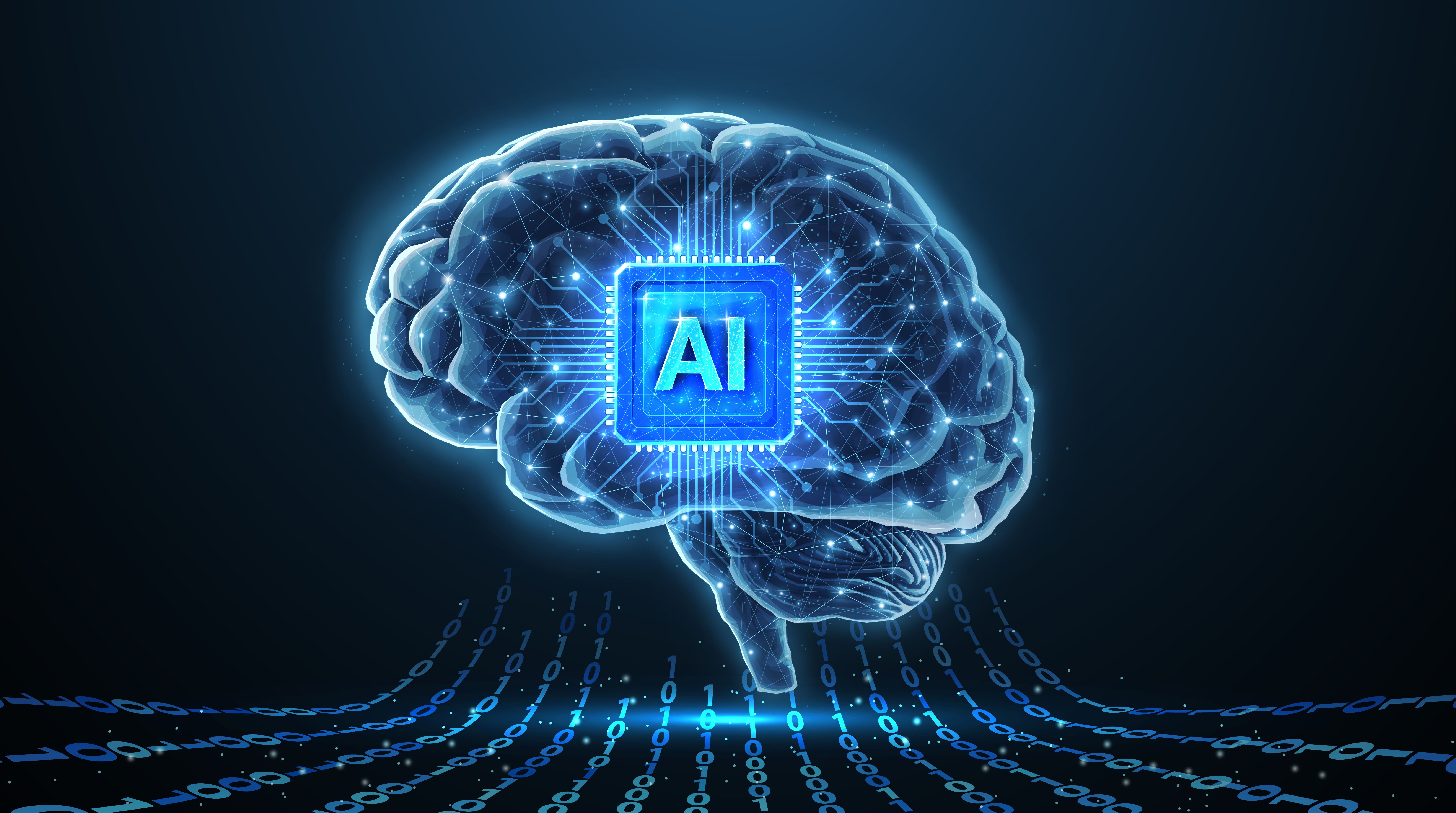
Human thinking has always adapted to its tools, and the next transformation is already underway. Artificial intelligence, brain–computer interfaces, and neuroimaging are beginning to merge external technology with internal cognition. The line between thought and machine assistance is becoming blurred.
Early experiments indicate that direct neural interfaces can enable communication or control without requiring speech or movement. For people with paralysis, this is life-changing. For everyone else, it raises questions about privacy, identity, and agency. If a device predicts your next word, whose thought is it?
Philosophers and neuroscientists debate whether extending cognition into technology makes us more or less human. Tools have always shaped thought, from language to writing to the internet. What changes now is the speed and intimacy of the connection.
You might say, "We've always outsourced thinking. We just used to call it talking." The brain is a social organ, built to extend itself through relationships, culture, and collaboration. Whether we use people or processors, our thoughts have never been entirely our own. The future may only make that more obvious.
Conclusion: Thinking About Thinking.

Thought is both our greatest gift and our constant annoyance. It solves problems, creates art, and imagines futures. Yet, it also keeps us awake at three in the morning, worrying about things that may never happen. The mind's refusal to stop is not a flaw but a feature. It is the price we pay for imagination.
Neuroscience reveals that thinking is not a single process, but rather a complex interplay of perception, memory, emotion, and chemistry. It is improvisational, messy, and prone to error, yet endlessly adaptable. The same chaos that produces anxiety also fuels creativity.
Ultimately, the goal is not silence, but understanding. Learning how thoughts arise, wander, and fade gives us a measure of control. As you might conclude, "You can't stop your brain from thinking, but you can teach it to think about better things."
Your mind will never shut up completely, and perhaps that is just as well. Its noise is the sound of life itself, the ongoing conversation that makes you human.
About the Author
Written by Steve Jones, Genesis Therapy, a coach specialising in stress resilience and brain-based strategies. Helping people from all walks of life rewire overthinking, manage anxiety, and build the confidence to handle everyday pressure with strength and calm.